
Writing as a Bridge to Remembrance and Celebration ... and a Portal to a Place where I Make the Rules

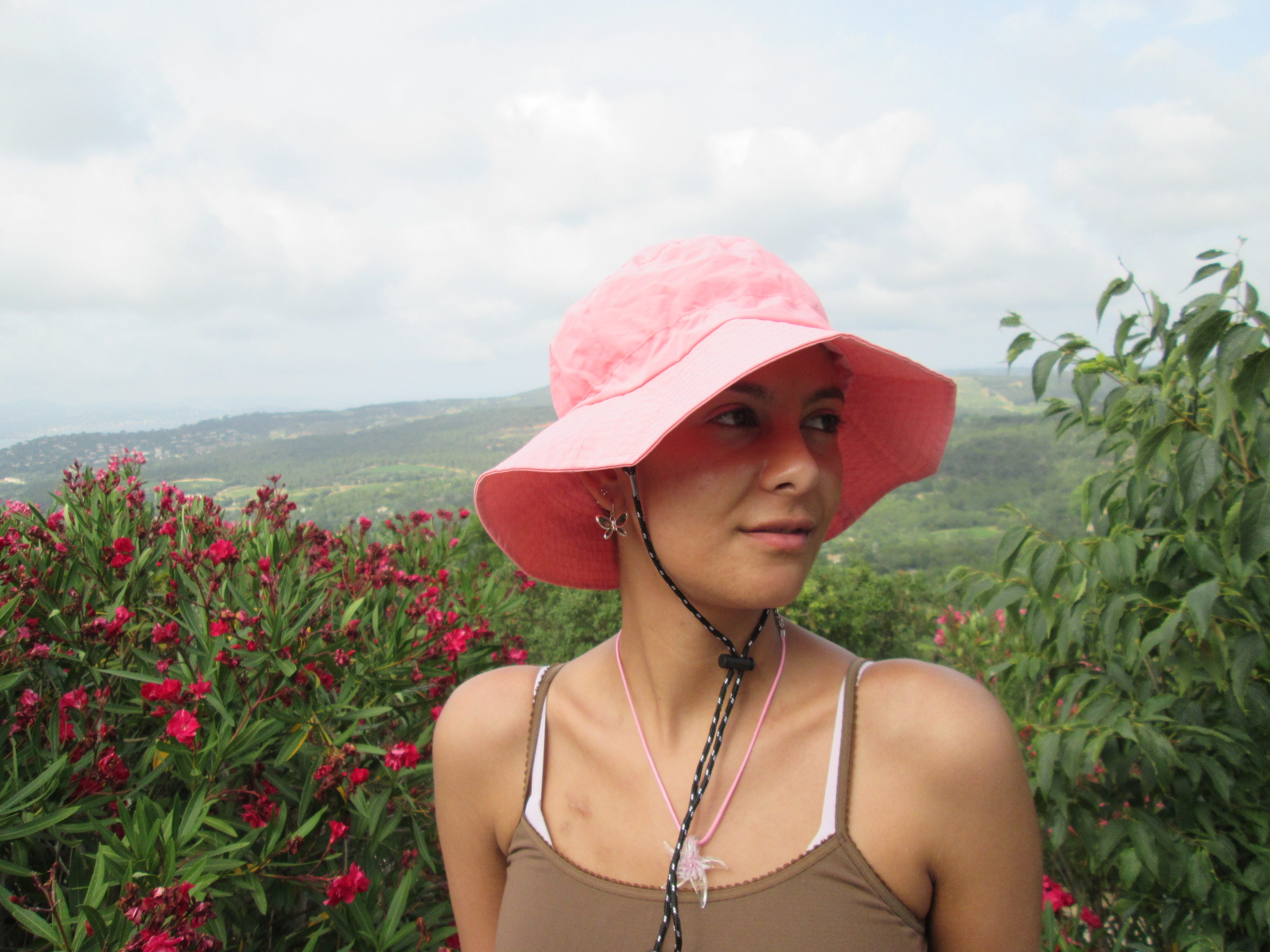
My daughter Zoe has been gone—taken by a brutal form of cancer—for four months now. I don’t mind when people ask how I am doing. I appreciate the acknowledgment that I’m going through something profound and devastating. My answer has evolved though, from: “I don’t know. Sad? Enraged? In denial? Pushing myself through the days?” To something more like: “I’m forever heartbroken and also, sometimes, okay.” The heartbreak can feel paralyzing, but other times I am thankful for it. My grief is full of memories and laughter and missing and loving. My grief is where I carry Zoe.
Writing is one big reason why I am as okay as I am. (An aside here to acknowledge my husband Jon and our son Theo, who keep me in life, in love, able to access serenity, hope and fun. But this post is about writing, so today I’ll focus on that.) Journaling is something I have long recommended to my psychotherapy clients. When you are stuck in destructive behaviors or negative thinking, writing down your thoughts and feelings can be a first step to getting unstuck. Start with the what, and your mental process can lead you to the why. The how—as in how to make a change—is the hard part, but you can’t get there without understanding what’s causing your stuckness in the first place.
Granted, it can be uncomfortable to write to and about yourself. With clients who tell me they feel weird doing it, I might say, “tell the story of what happens when this destructive habit takes over,” or “tell the story of the painful memory that erodes your current relationship.” Telling your pain as a story places a degree of separation between you and the difficult thing, whatever it is.
My jumping off point is often a scene. I tell myself the story about a moment where I felt something intense enough that I want to share it—not because the feeling is so special, but because it is so ordinary, something shared by almost everyone at one point or another, in one way or another. (This Longreads essay of mine is one example of that.) The beauty in writing about something deeply common but rarely mentioned is the instant community it brings to those who have experienced that thing but believed themselves to be alone in it.
Writing is a bridge between you and your emotions, you and your thoughts, you and a hypothetical reader. Sometimes—when you’re so stuck, or so sad, or so lost—writing is a life raft you cling to until you can see the shore of insight. Writing is a portal from you to connection—to the world outside your mind or, in the case of fiction, to another world that you create. And whether you set out to make a specific point, to understand yourself better, or to entertain, once you’re on the other side, you are forever changed.
My son Theo, of whom I am extraordinarily proud, is a song writer and avid journaler who uses writing to process all aspects of his young adulthood, including the tragedy of losing his sister. Before she died, Zoe—at her brother’s urging—wrote about her illness, her memories, her pain, and her hopes. She wrote in her own journal, but just as frequently, she wrote treatise-long texts to me or to my husband, working out feelings about her approaching death. These are heartbreaking to read, but they are pieces of her that we will treasure eternally.
While Zoe was sick, particularly while she was very sick, I was not so interested in processing my feelings in real-time. On the contrary, I needed to take the spotlight off my spiraling emotions and keep hope alive for my own sake and for Zoe’s. I needed to balance what I knew to be the stakes with a reliance on the magic of science and medicine. I needed to push forth, not to lament, to play whatever mind games allowed me to maintain that equilibrium.
What I needed out of writing at that time was that portal to another universe, namely fiction. You might wonder: How could I seek escape while my child was in a hospital bed? If there was ever a time to be wholly present with Zoe, you’d think that was it. But as we sat those long hours together in the chemo suite at Sloan Kettering, Zoe told me she did not want to talk. I was rebuffed whenever I tried, either to offer gentle reassurances or distractions or even to ask her if she needed anything.
She would tell me if she needed anything, thank you, and until then my silence would be appreciated. Zoe wanted me physically present, but more as a conduit for her needs. To fetch her a warm blanket, her AirPods, or a complex food order that would, in all likelihood, remain untouched.
Zoe was often on her phone, communicating, as I would later find out, with her vast social media network, where she was voicing her political opinions or sharing the story of what she reluctantly called her cancer journey to a slew of unknown but loyal followers. At that time, she preferred exchanging thoughts and ideas with people who were not emotionally connected to her the way I was. I respected that. I had to.
But sitting by her side, alone with myself was too hard. Reading helped, as it always does, but escaping into someone else’s words was not a reliable enough distraction. I should explain here that Zoe began chemotherapy three weeks before my first novel was released. Everyone kept saying how exciting your debut launch is, how busy you’ll be, how heady and breathless and dreamlike and fabulous it is. “Make the most of it!” They said. “You only get one debut launch!”
Well, I was not in a position to make the most of anything besides a single reading at my local indie. I was needed elsewhere. My publisher would understand.
Nevertheless, I believed writing would save my sanity. I was in no way ready to devote myself to a brand-new novel, so I went into my hard drive, where I had three unfinished or discarded novel drafts. Once I’d identified the reasons I’d abandoned each, I discovered one with some potential. That novel was MIRROR ME, at the time called something completely different. I re-engaged with it by changing the setting from the present to the pre-internet 1990s. Next, I tinkered with the POV, experimenting with third-person present tense, first-person past, and every other configuration. This I could handle: transforming a lump of fiction-coal into something more diamond-like. It was just the right balance of work and the care of a terminally ill child.
One thing I did not write about while Zoe was fighting cancer, was cancer itself—or Zoe, or Zoe and cancer, or the impact cancer had on our family. I’d keep all that at bay until after she died, at which point the words poured out along with the tears. No, you never get over the death of a child. But I believe in a form of healing that allows you to continue living and loving and carrying on your child’s legacy.
After Zoe died, I wrote to her, about her—her time fighting cancer, but also her childhood, her art, her politics, her special quirky enjoyment of life—I wrote about myself and my own very specific motherhood of Zoe. I cried and laughed and remembered and felt solace in creating something I could return to if I ever feared losing the shape Zoe had etched in my life.
Because it’s not just about writing through pain and writing to heal, it’s also about writing to remember, writing to keep all the good stuff alive. Things you’ll cherish always and never, ever want to forget. For that part especially, for the joy of it, the celebration of it, I will keep doing this thing.
Wishing you moments of clarity and joy this week.
Lisa
This resonated so much with my reasons for writing. Our healing…and the opportunity to spend time with our children again. Both so important. Have restacked 🙏
Your words, as always, but particularly here, are moving, clear and honest. With each sentence, you take us on a journey alongside you, and if we're so inclined into ourselves. There, sometimes, if we're brave enough, we discover, "the undiscovered country," that internal land of memories and feelings.